THE THIRD POLE
Because it Might Not Be There
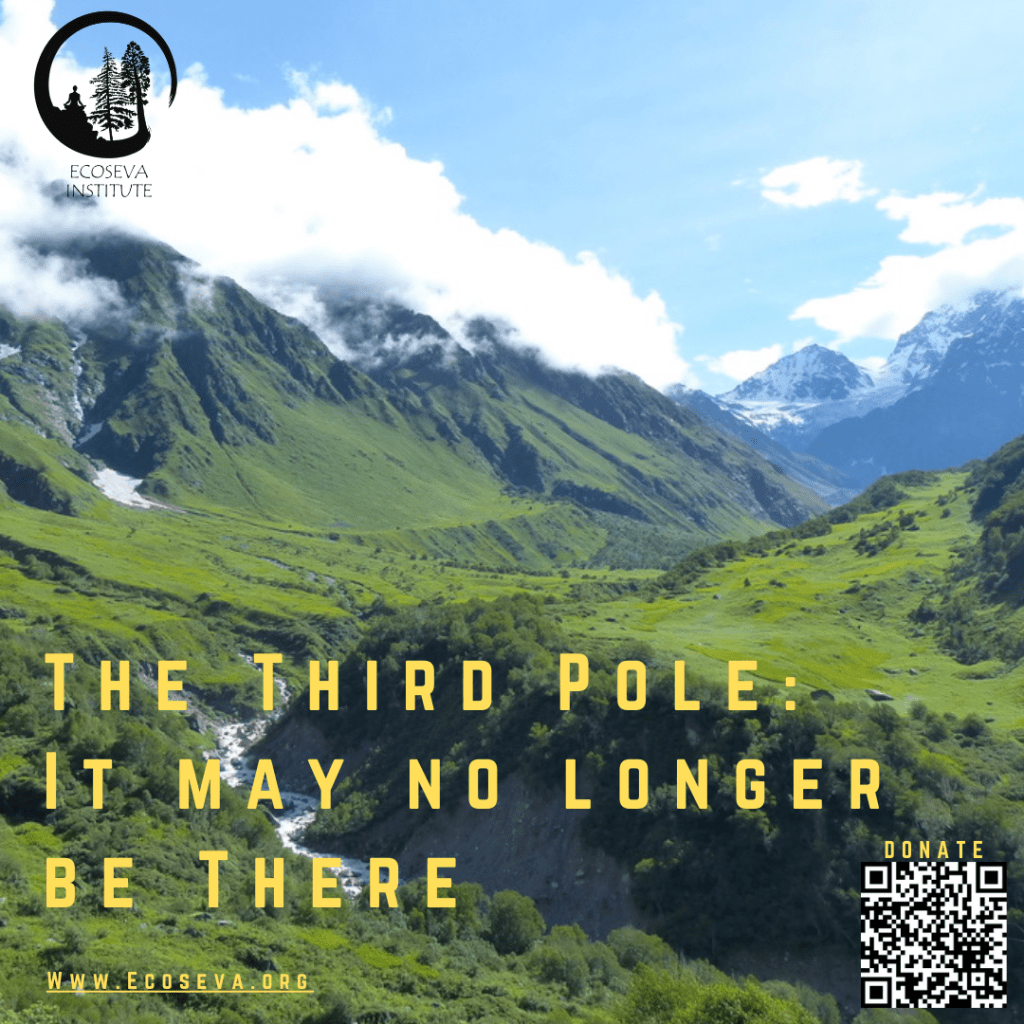
‘The Third Pole: Because it might not be there’ is a climate research project on foot and bike, across some of the most challenging high-altitude terrain in the world, to document the rapid socio-ecological changes happening at the Third Pole, the Himalayas.
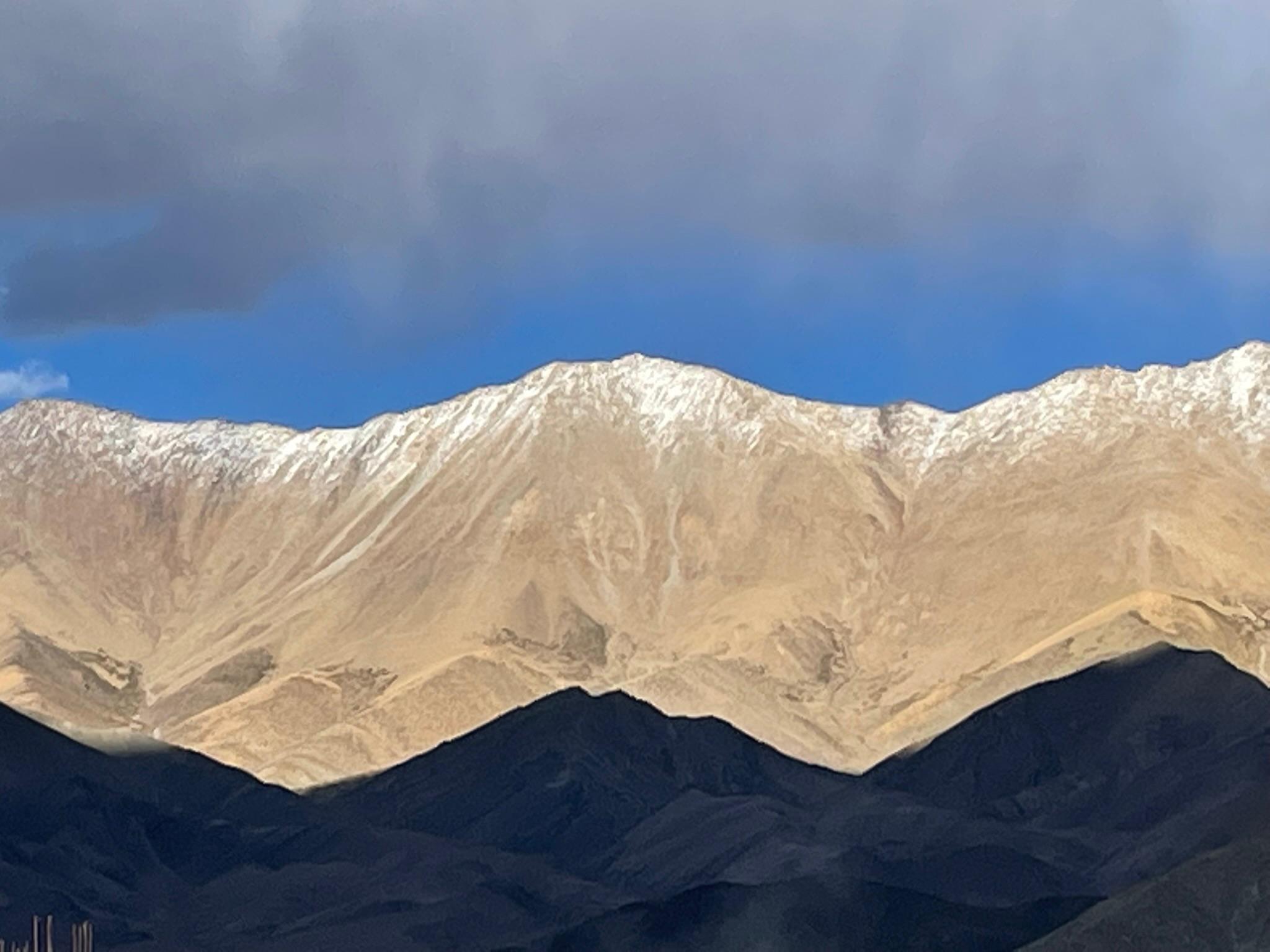
With temperature rises of “between 1.5°C to 2°C [current levels], the HKH glaciers are expected to lose 30%–50% of their volume by 2100” (ICIMOD, 2023). Known as the water tower of the world, the Himalayas are the third largest store of freshwater in the world after the two Poles, and the water from this region sustains two billion people and countless species downstream. The changes now that are happening here have significant global consequences.
“The largest global disaster that will be caused by climate change, will occur in the Third Pole Himalayan region,” remarks former president of Iceland Ólafur Ragnar Grímsson.
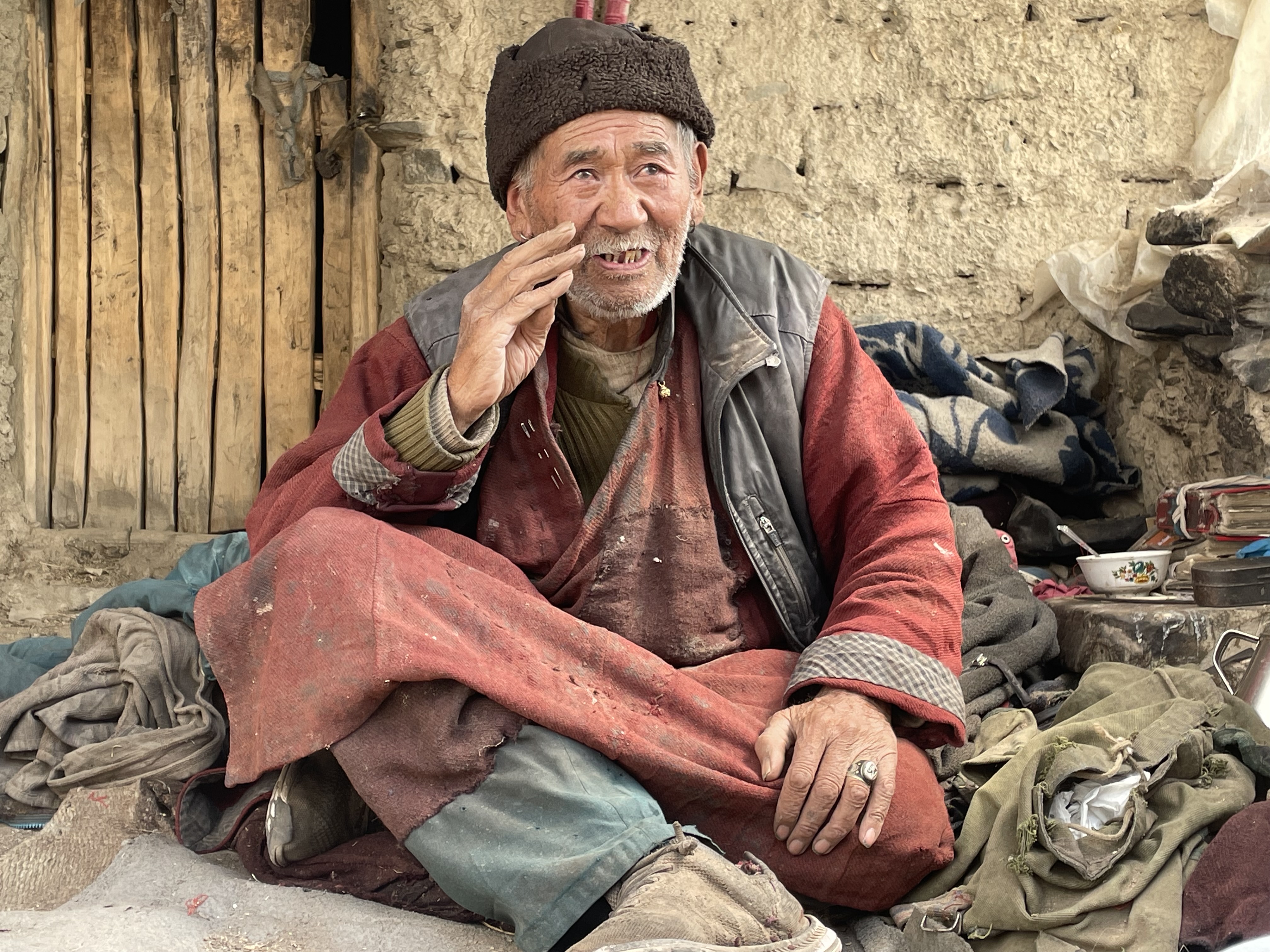
This project highlights first-person narratives with indigenous residents and local leaders about their experiences with glacial melt, water insecurities, ecological degradation, and climate impacts, in order to address appropriate climate solutions for regional and global resilience. Please follow our social media, research, films, and other social media documenting this project.
PROJECT BACKGROUND
SYNOPSIS & AIM
“Because it’s there.” One hundred years ago in 1924, mountaineer George Mallory said this famous phrase when asked why he was drawn to climb Everest. Humans, since time immemorial, have had a profound fascination and love with the Himalayas. But, the nature of this relationship is abruptly changing. What if these timeless glaciers are not there?
The Third Pole is the third largest reservoir of fresh water in the world, after the north and south poles, and the Himalayan watersheds provide life-giving waters for 2billion people downstream (one quarter of the global population) as well as for countless species and habitats. How can we understanding the current and future changes in the Himalayan watershed, and the impacts on people and critical ecosystems?
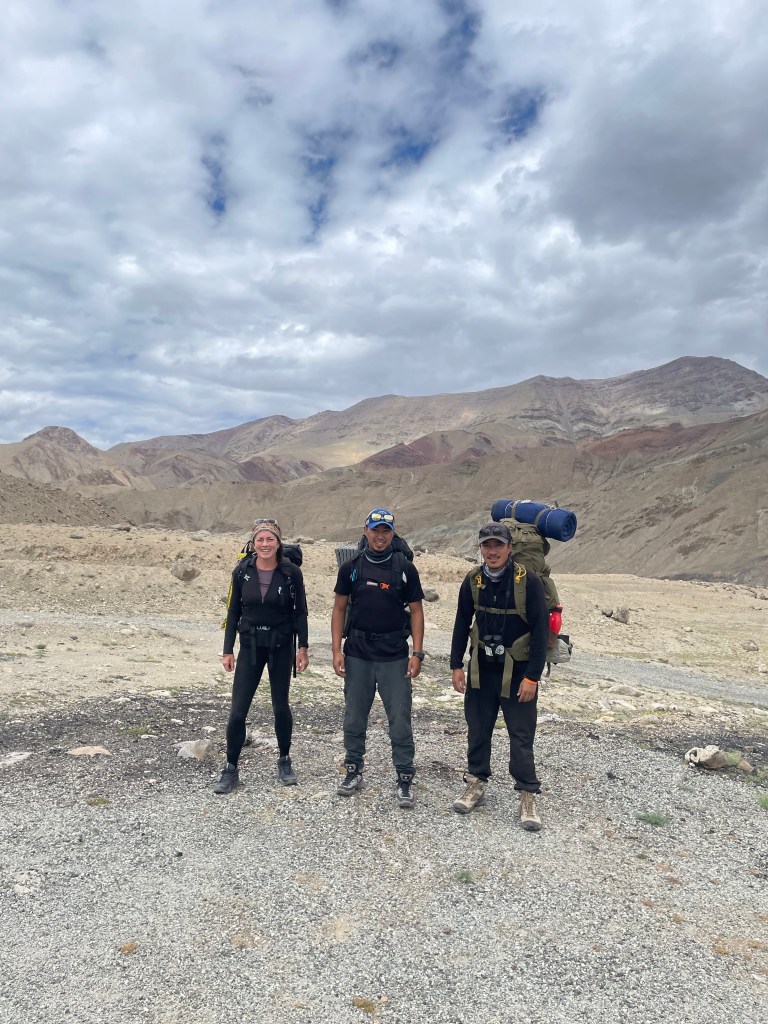
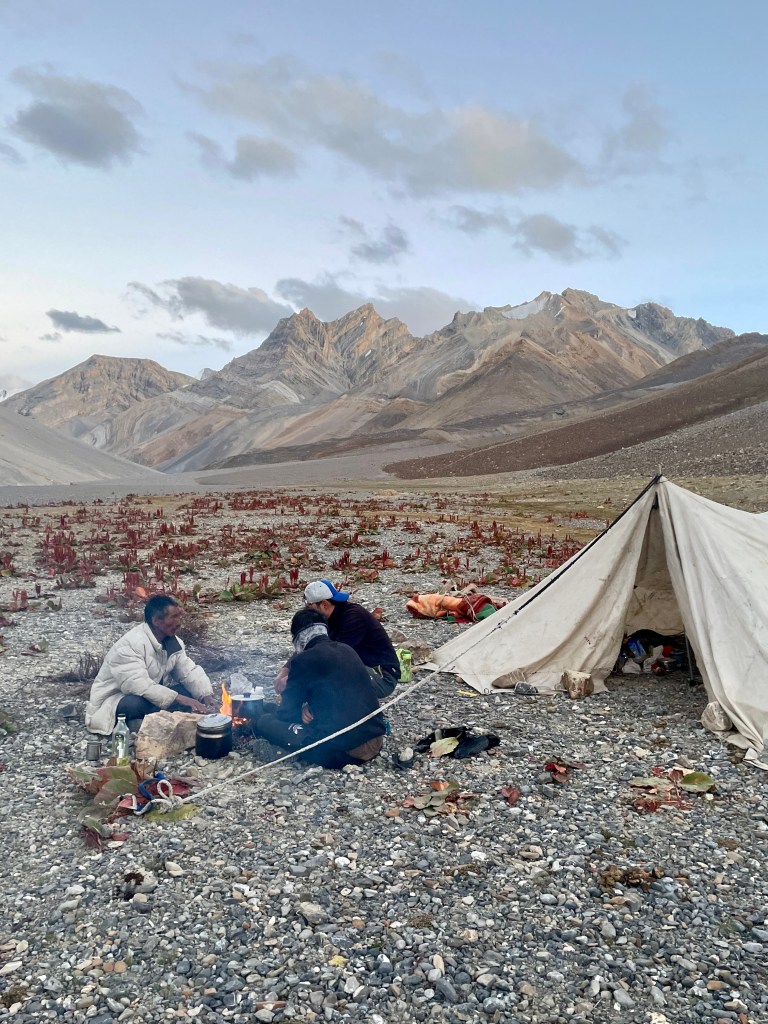
“The Third Pole, Because it Might Not Be There” is a climate research expedition designed and led by Dr. Katie Conlon to cover the length of the Indian Himalayas – predominantly on foot – to understand the dire impacts of climate change on the Third Pole region. Dr. Conlon will seek out and meet with the diverse indigenous communities and document their firsthand experiences with a rapidly changing climate and highlight the importance of this frontline region through an ongoing expedition media and outreach campaign.
Known as the “water tower” of the world, rapid environmental changes in the world’s ‘Third Pole’ are laying the ground for irreversible change, not only in the region but the world. The Hindu Kush Himalayan range is warming at .3C per decade, which is much faster than the global average, and having dire effect on the cryosphere (snow cover, glaciers, ice caps, and permafrost). How can we understand these glacial, ecological, and cultural changes, through the eyes of those experiencing them on the ground? This expedition will find out.
TIMELINE
The Himalayas are melting twice as fast than a few decades ago (Maurer et al., 2019).
The Himalayas are the watershed for ¼ of humanity, and this is an area on the frontlines of climate change.
The UN Year of the Glacier is 2025, and this work will lead into these global discussions
George Mallory made the most famous mountaineering statement – “because it’s there” – one hundred years ago in 1924, a profound reminder of the rapidly changing nature of the Himalayas, and why in present day we are charged with the stewardship of this world heritage terrain.
The year 2024 is the year atmospheric scientist James Hansen predicts earth will cross the 1.5 degree threshold, ,“Passing through the 1.5C world is a significant milestone because it shows that the story being told by the United Nations, with the acquiescence of its scientific advisory body, the IPCC, is a load of bullshit,” Hansen said.
EQUITY
This Expedition is female-led; and supported by a team of nearly all Indians (most local to the Himalayan region).
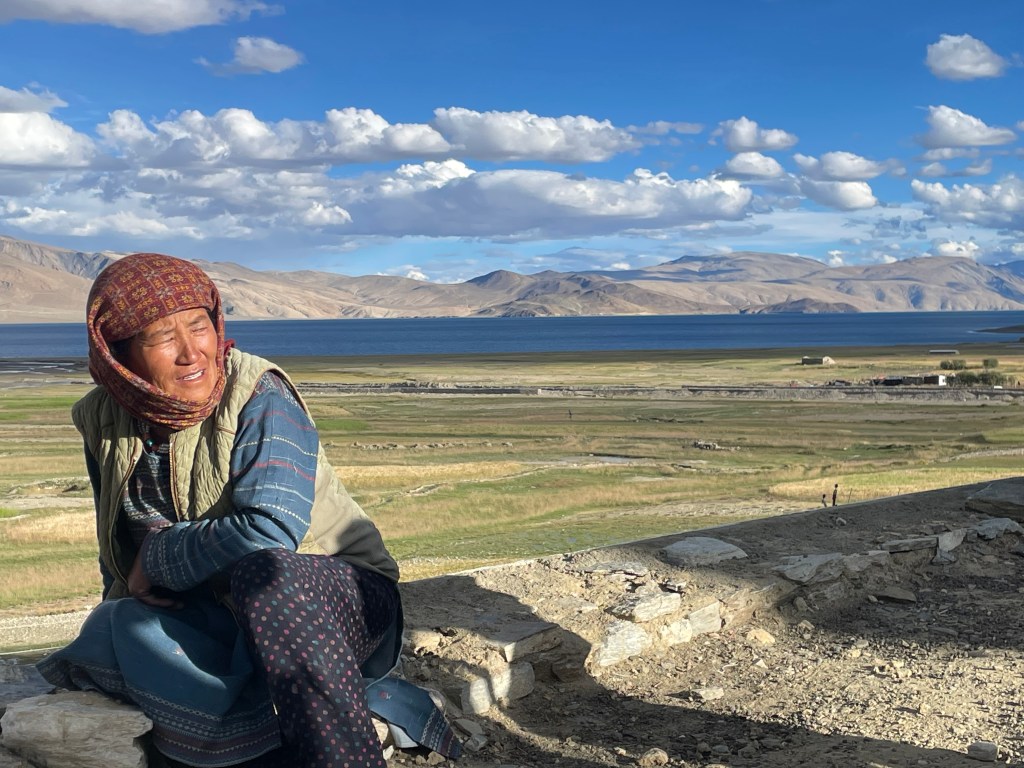
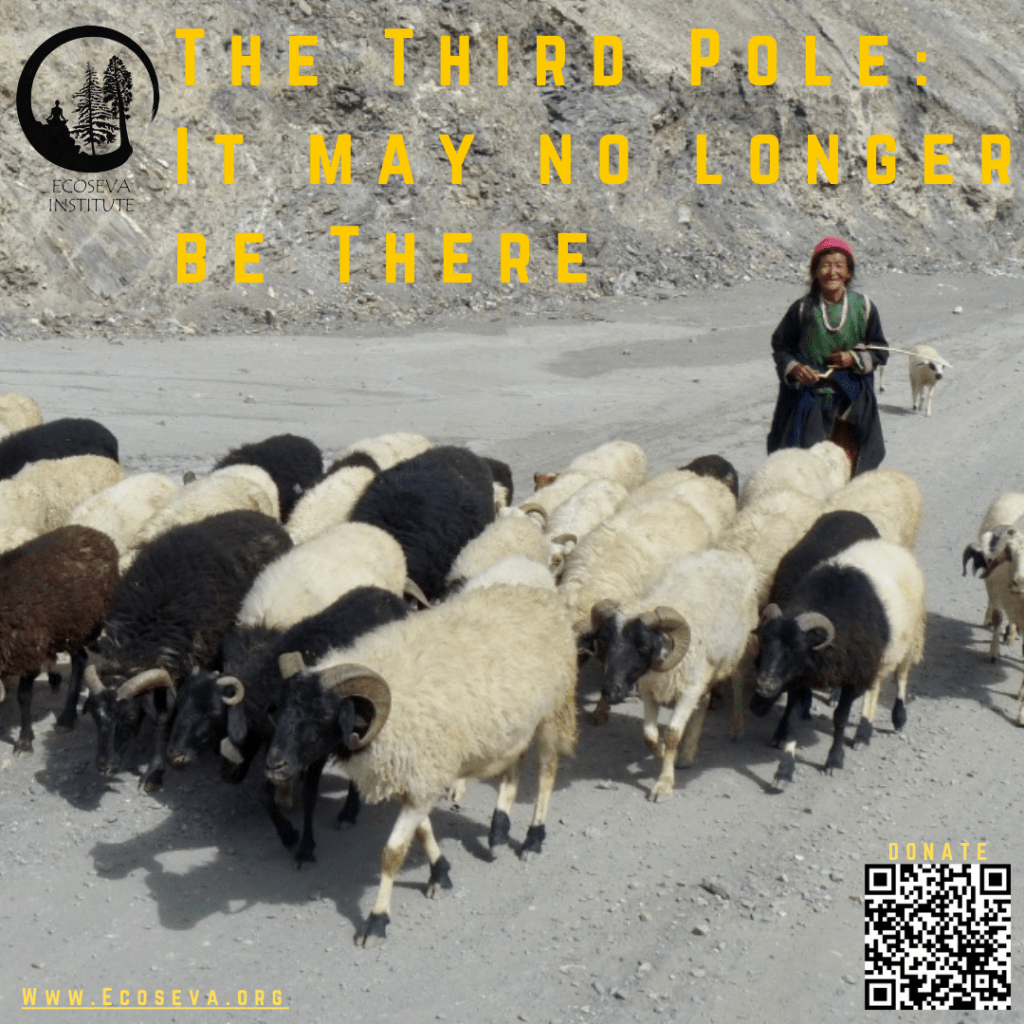
The Third Pole project supports vulnerable, indigenous communities at the core of its design. The aim of the project is to bring attention to local, indigenous voices on the frontlines of climate change. We will hear firsthand from hundreds of community members about how climate change impacts them directly and how they are currently approaching these changes to their community and livelihoods.
Post-Expedition, we will create a knowledge-sharing platform for the people from these highly-impacted regions to share their story, learn about best practices, and receive more support for their stewardship of these fragile regions.
NOVEL APPROACH
This Expedition is weaving narratives across little-known terrain, along a course we create for the expedition (there is no pre-existing pan-India Himalayan trail. However, continuing into Nepal there is ‘The Great Himalayan Trail’ (upper and lower routes) as well as the ‘Trans Bhutan Trail’ across Bhutan. Potentially these routes can also be incorporated in the continuation of this endeavour).
PROJECT TEAM
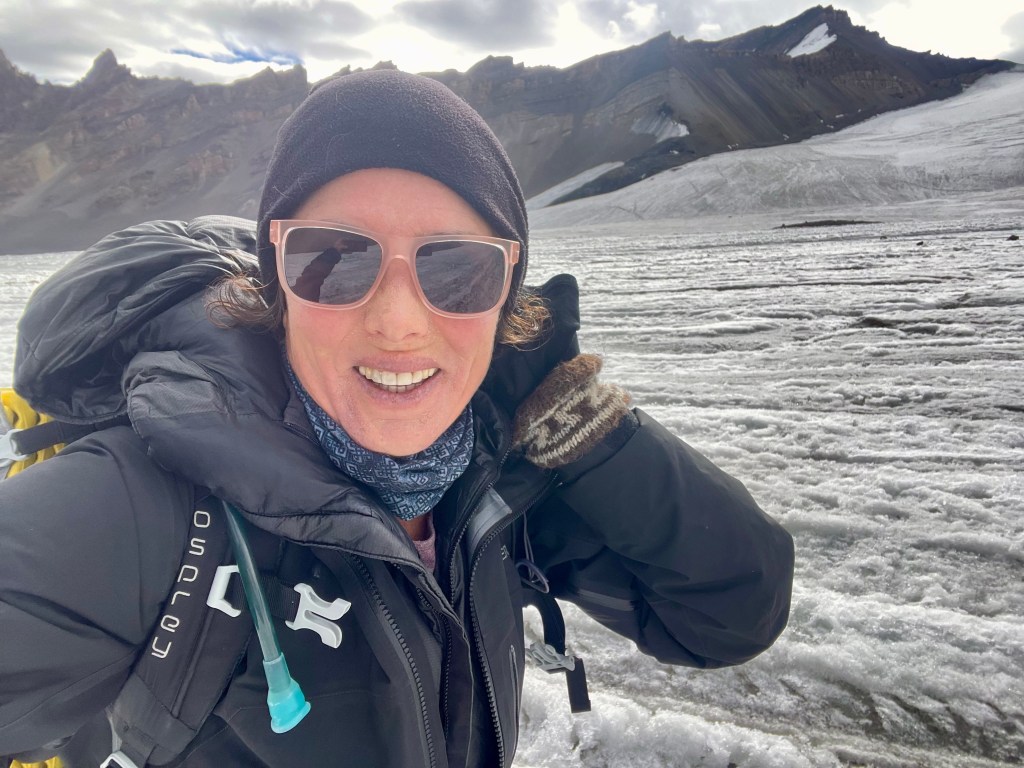
Katie Conlon, Ph.D.: Project Leader
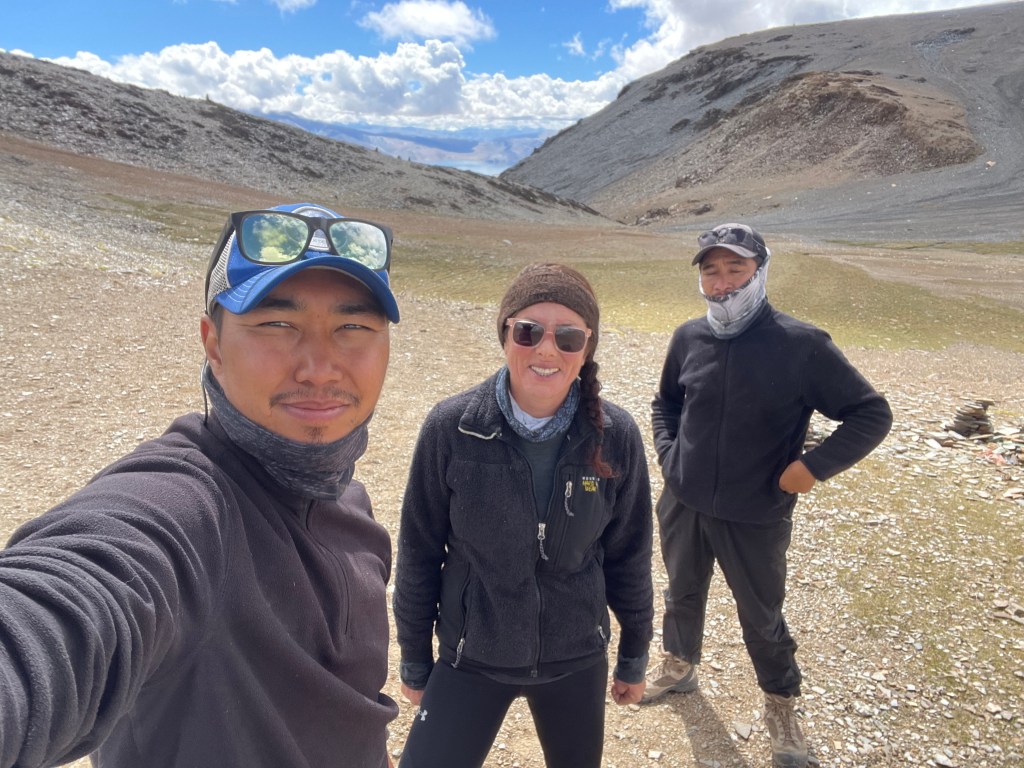
Jigmet Lundup (left): Trek Lead, Logistics, Cultural Liason, Translation
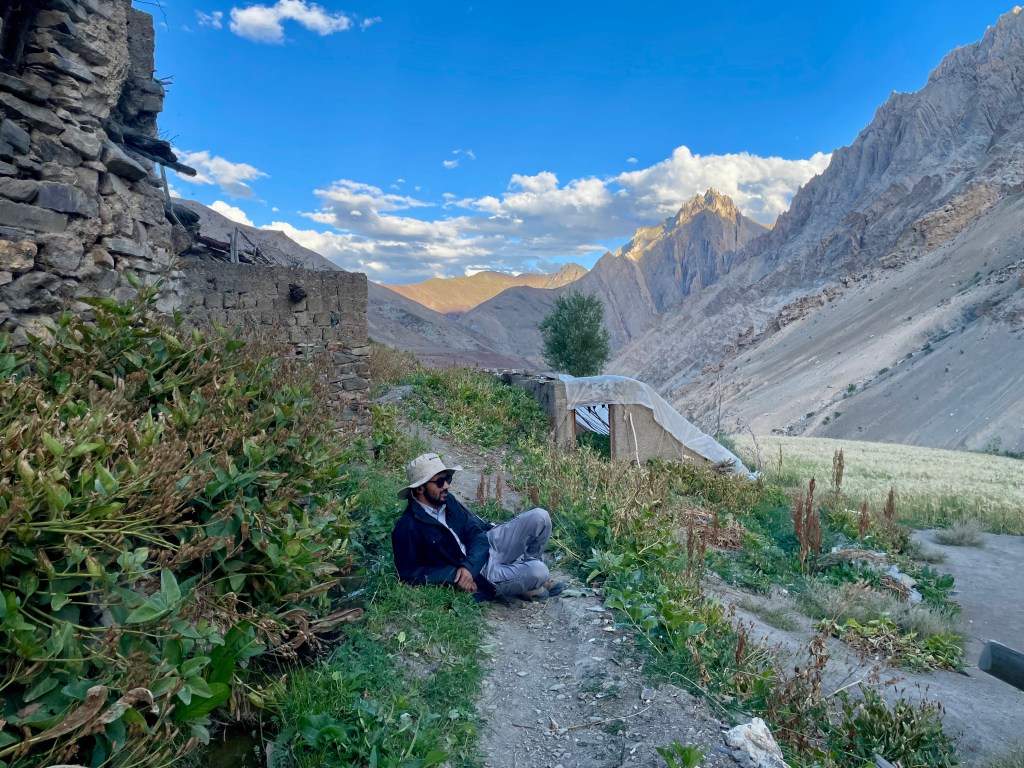
Sonam Gurmet: Cinematography, Cultural Liason
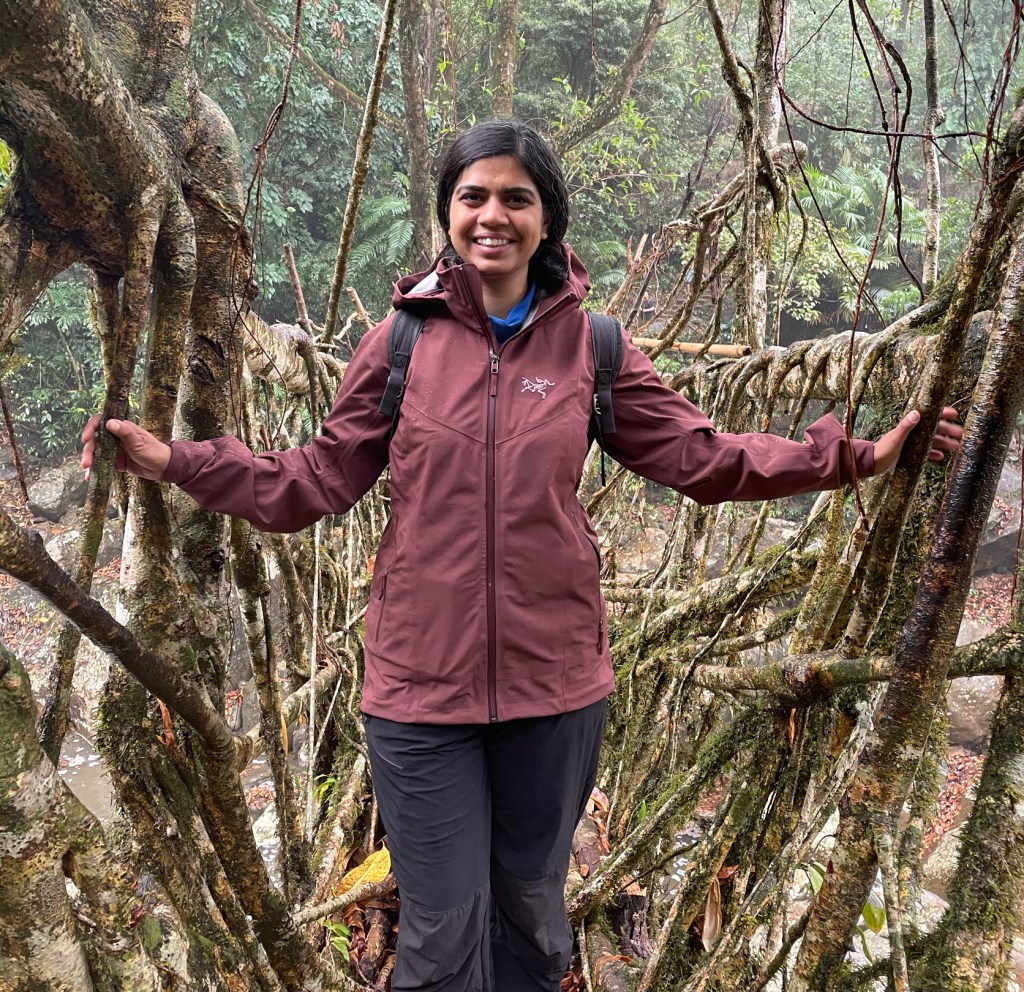
Preeti Chauhan: Project Support
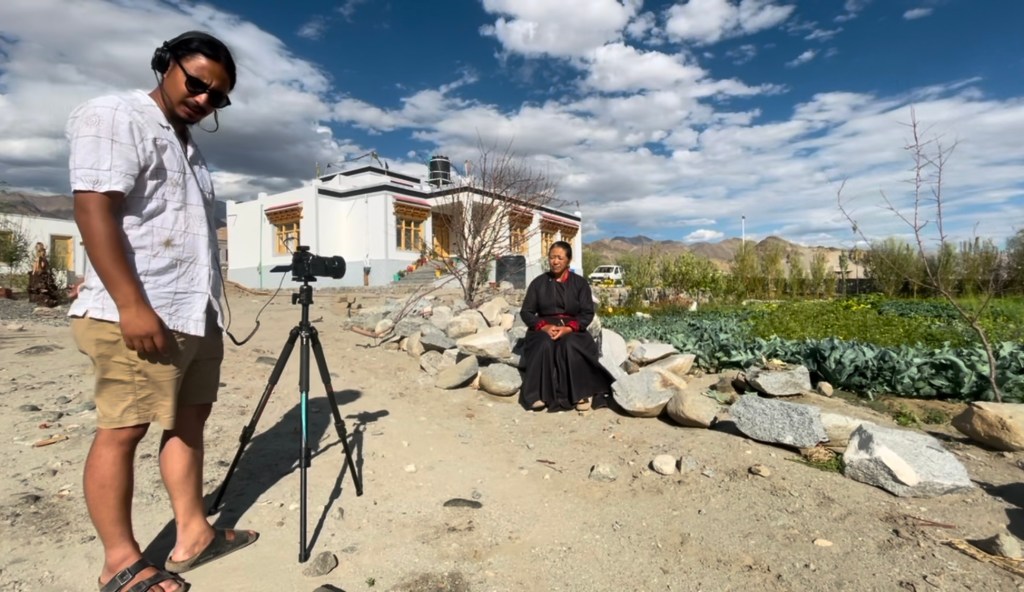
Abhijeet Kalakotia: Cinematography
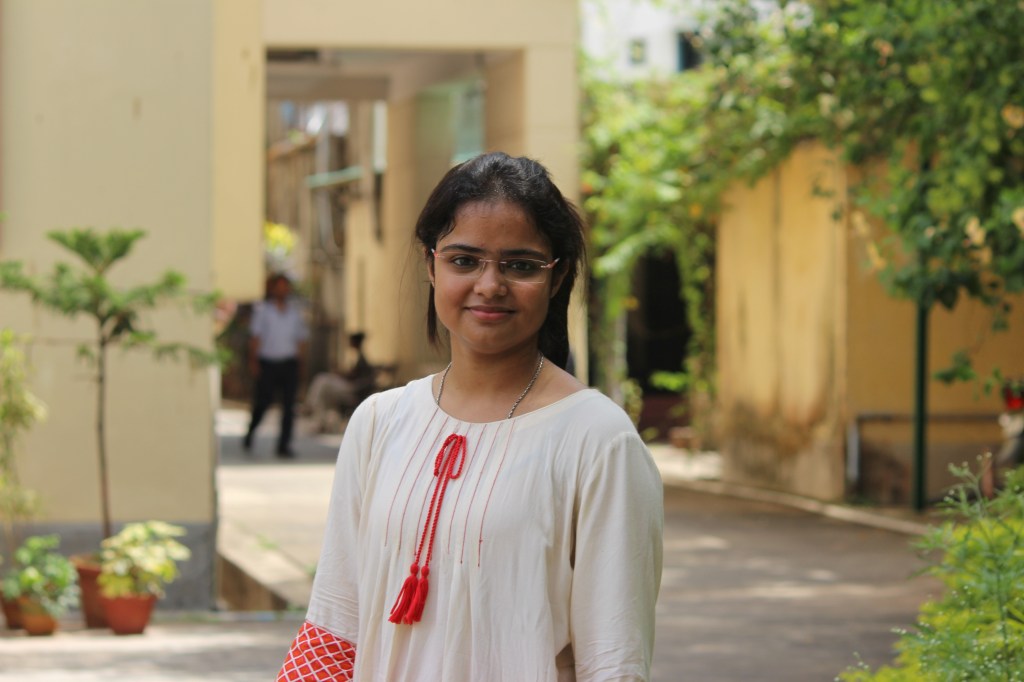
Proshakha Maitra: Research
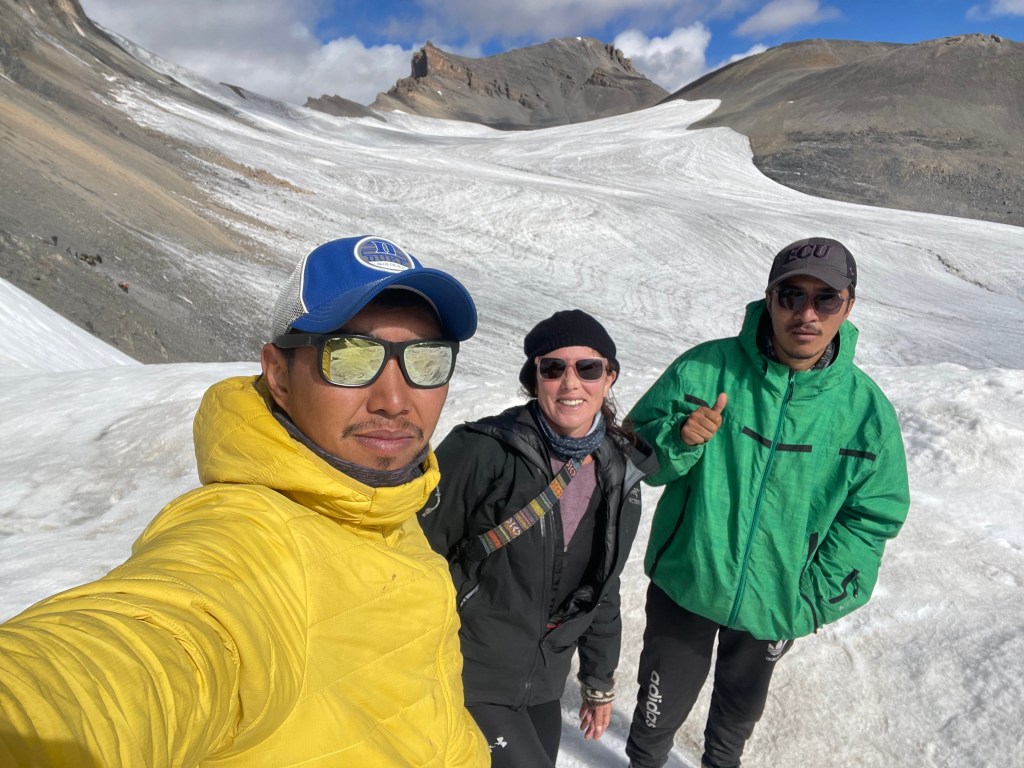
Sonam Otzer (right): Trek Support, Wildlife photography
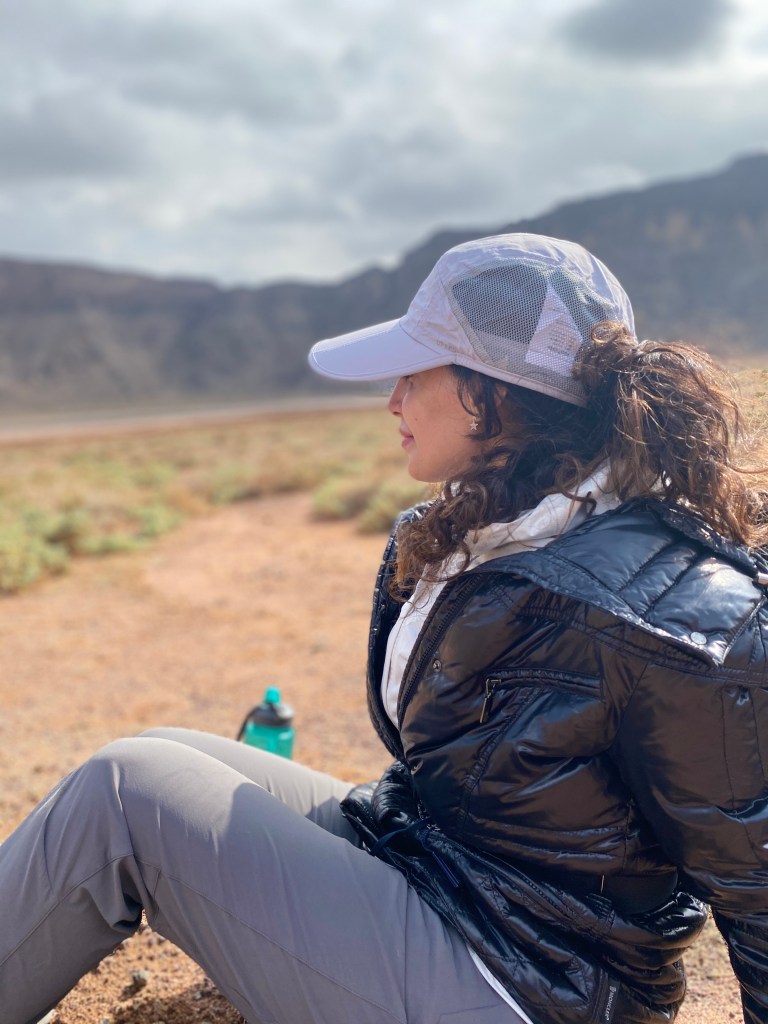
Abeer Al Saud: Project Partner

ECOSEVA OMPRAKASH PAGE:
 Ecoseva Institute